Hello All,
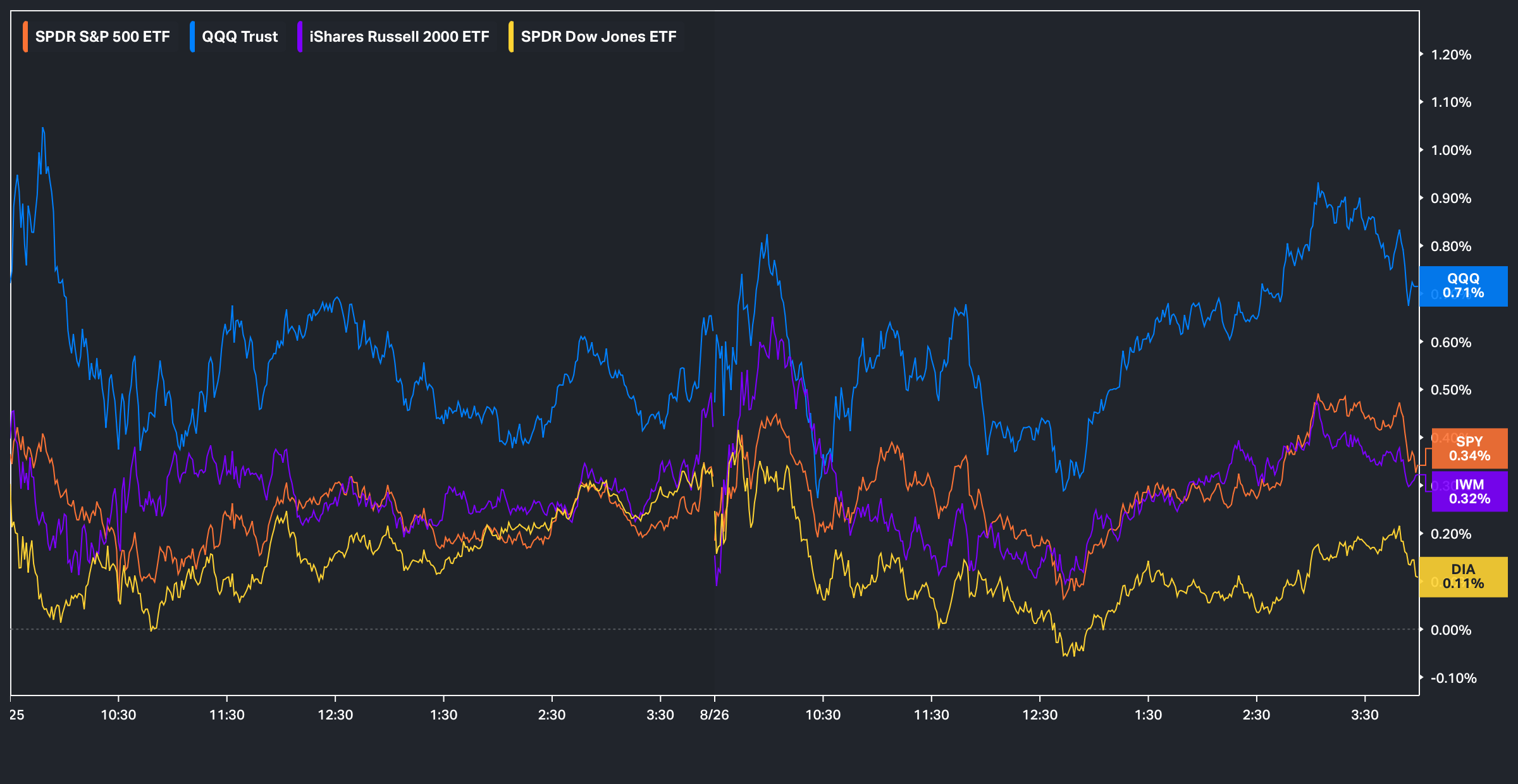
To jump straight into it, it’s been a generally quieter Summer week thus far as we await Jackson Hole later in the week, although for now, the Q’s are the best performing of the indices, higher by just over 70bps, whereas the Dow is the worst performing of the indices, although essentially flat, sitting higher by 11bps.
For anyone who wants to follow an actively managed portfolio in real time:
I’ve joined Plutus as the cleanest, day-to-day way to track an actively managed portfolio in real time. It’s a live dashboard that’s broader, more diversified, actively managed by me, & updated continuously.
The Eliant Flagship is published on RunPlutus.
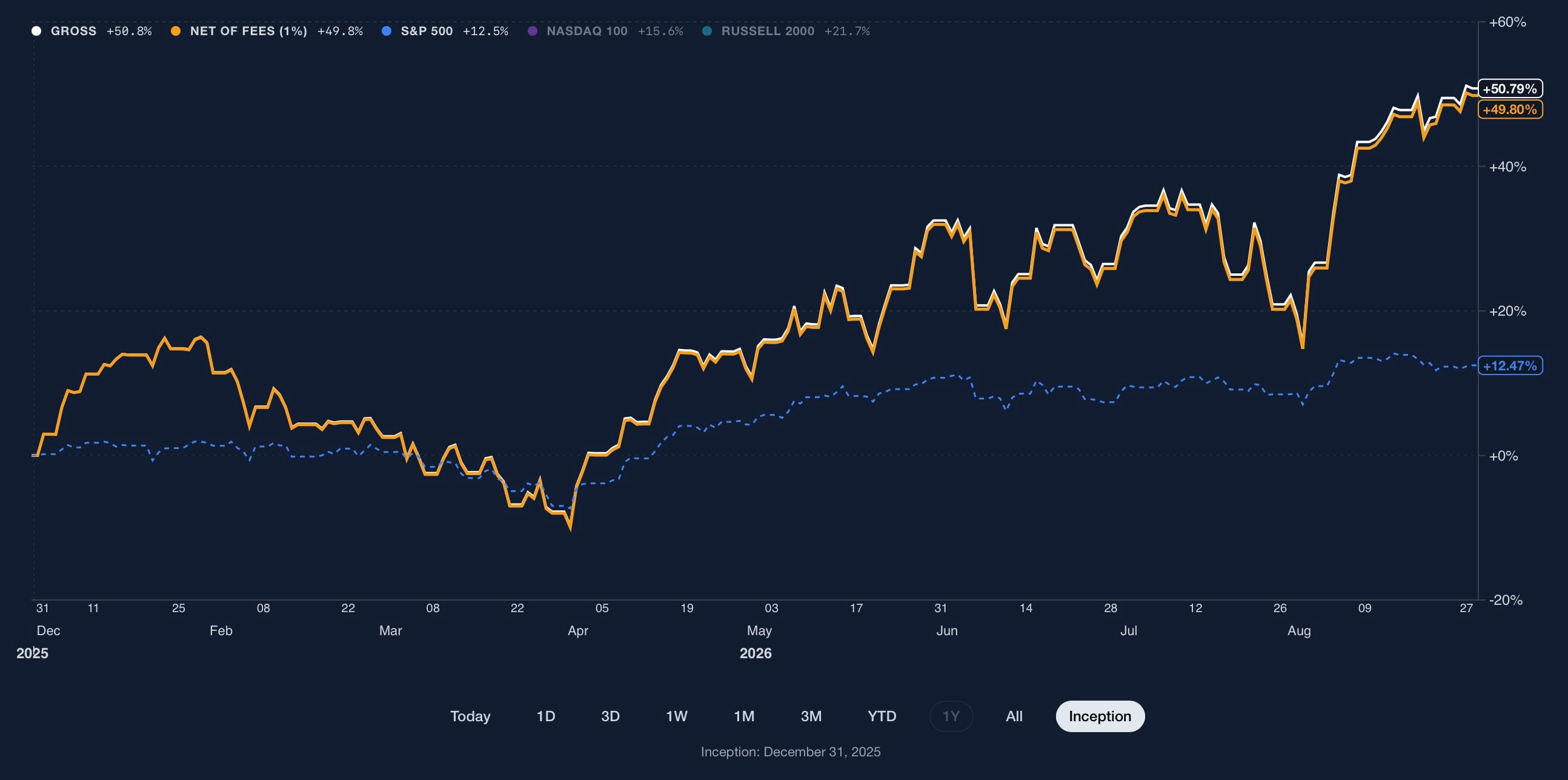
Once your Plutus account is approved, you’ll have the option to allocate right away. If you do, it’s straightforward: create an account, link your brokerage (Available only for IBKR at this time), & select the Eliant Flagship (or any of the baskets I’ve built). Your money stays in your account, and trades, position changes, and rebalances are replicated automatically so there’s nothing manual to manage. The idea is to make it easier to access an actively managed portfolio run by me without the overhead of traditional fund structures or high minimums, whilst you keep full custody of your assets & I stay focused on research, positioning, and portfolio construction.

Earlier in 2024, we launched a series titled Educational Pieces, covering a wide range of topics, many of which were suggested directly by you all (4-Part Series).
For those who may have missed the first installment, it covered topics including:
General background / knowledge on all option strategies
In-depth talk on risk / reversals & how to go about expressing / utilizing them
Options Structuring
When to used naked calls / puts vs. spreads
Choosing expiration dates
Identifying key pivots / supports / resistance zones
General briefing on stock gaps
What to look for in regards to fundamentals
Implementing fundamental / macro / technicals into a trade
Hedging
Creating risk/reward setups
Taking profits / managing losses
Overall Process
Book recommendations
A link to the original Educational Piece can be found here .
Given the positive feedback and how useful many of you found the first installment, we followed up with Educational Piece: Part Deux earlier in 2025 & for those who may have missed, a link to the piece can be found here & we then went on to release Educational Piece: Part Trois which can be found here.
And finally, the most recent installment, Educational Piece: Part Quatre, can be found here.
‘Risk management is the silent prerequisite for compounding & true wealth is built not by chasing the highest returns but by ensuring the survival necessary to realize them.’

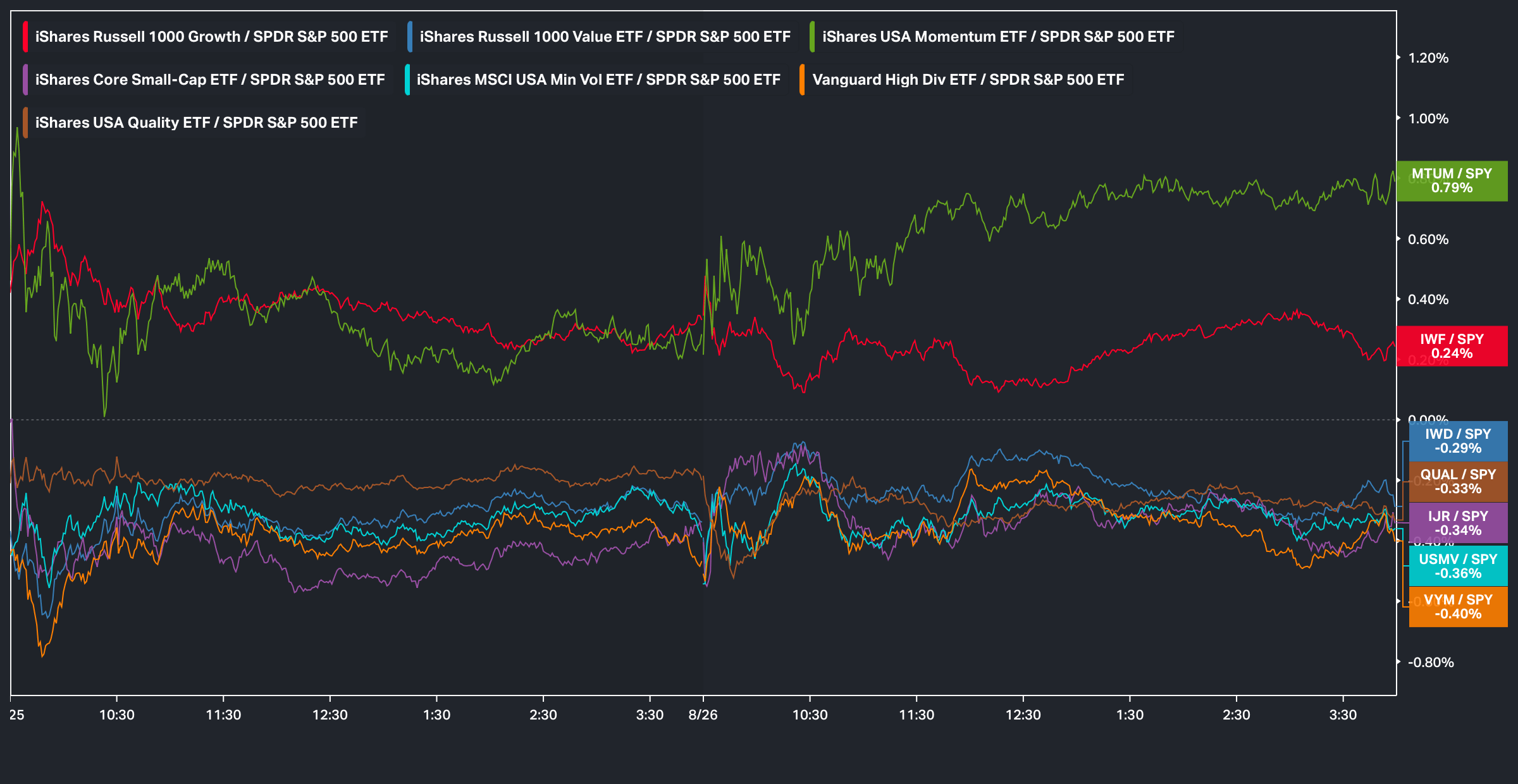
Before we jump into the recap, in looking at the week thus far, although it’s been a quieter one, we have started to see an ever so slight shift back toward both Momentum & Growth, with those groups being the best performing factors on the week, whereas the Lower-volatility & Value-oriented groups are the worst performing factors, as the tape has shifted toward a slightly more risk-on vibe following the recent digestion period the indices have been undergoing.
And in regard to the specific factors and or ‘baskets’ we’ve built on Plutus, here are the best performers year-to-date:
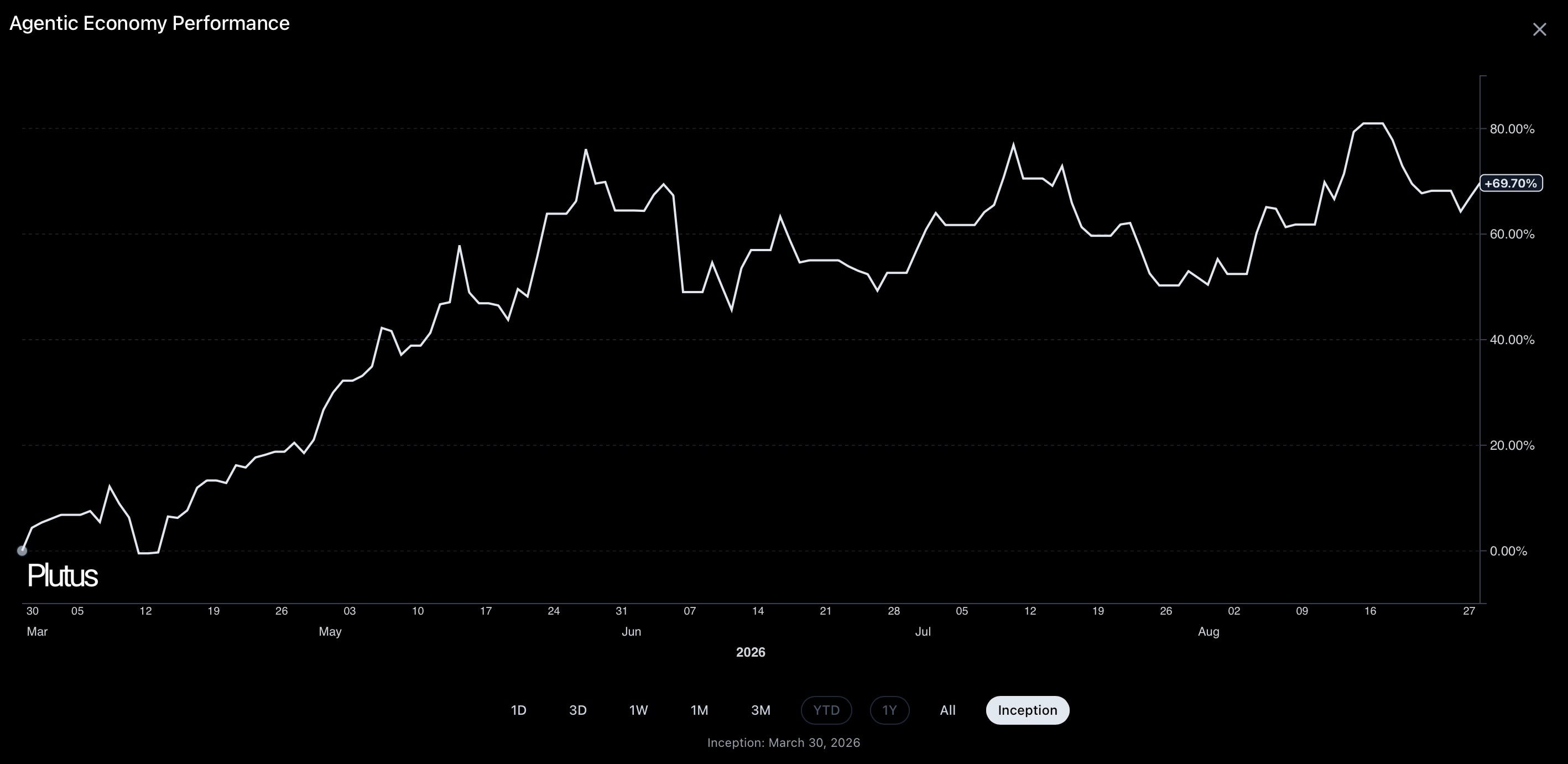
2. Industrial and Auto Analog Recovery
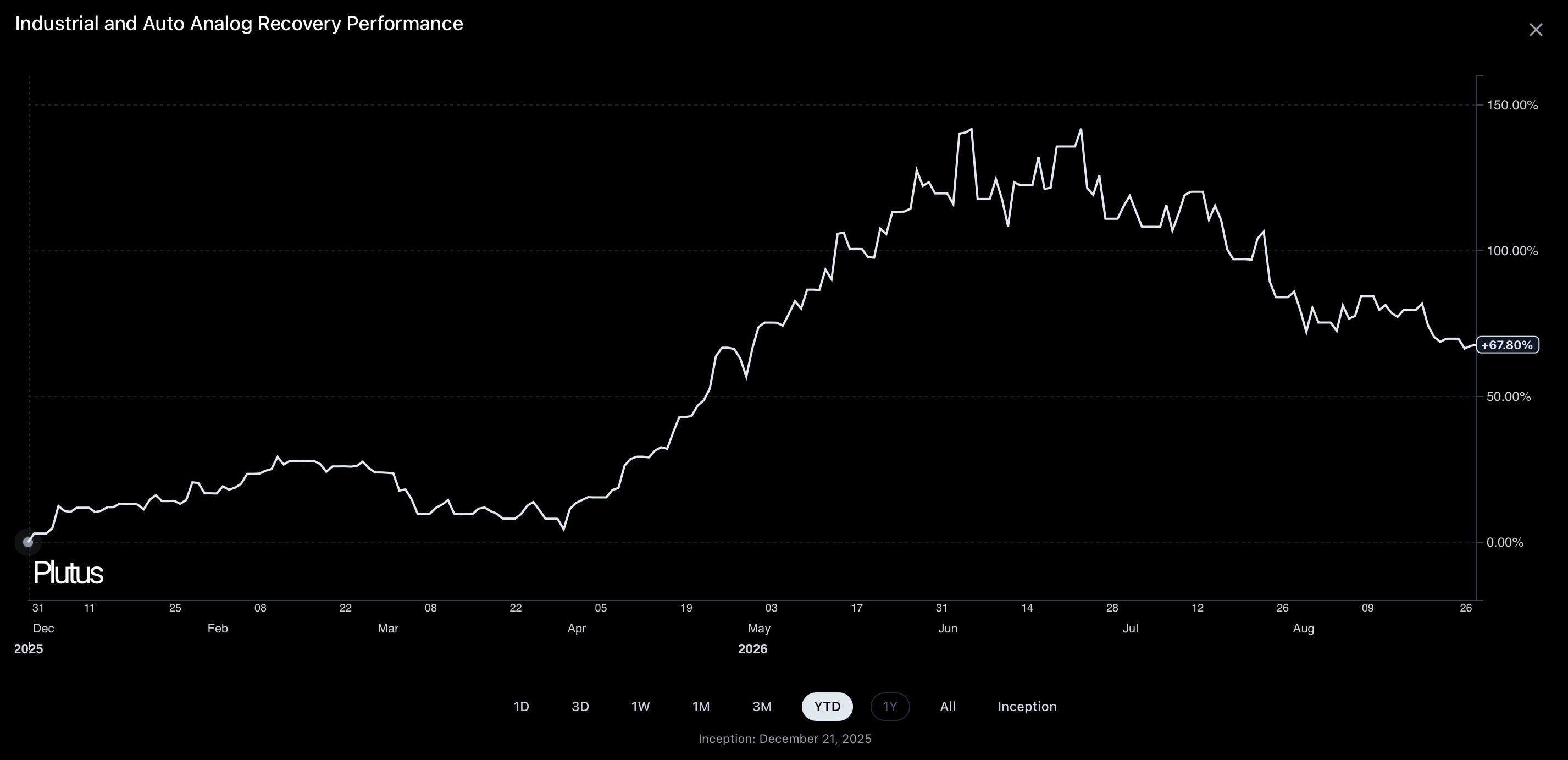
3. AI Full-Stack Infrastructure
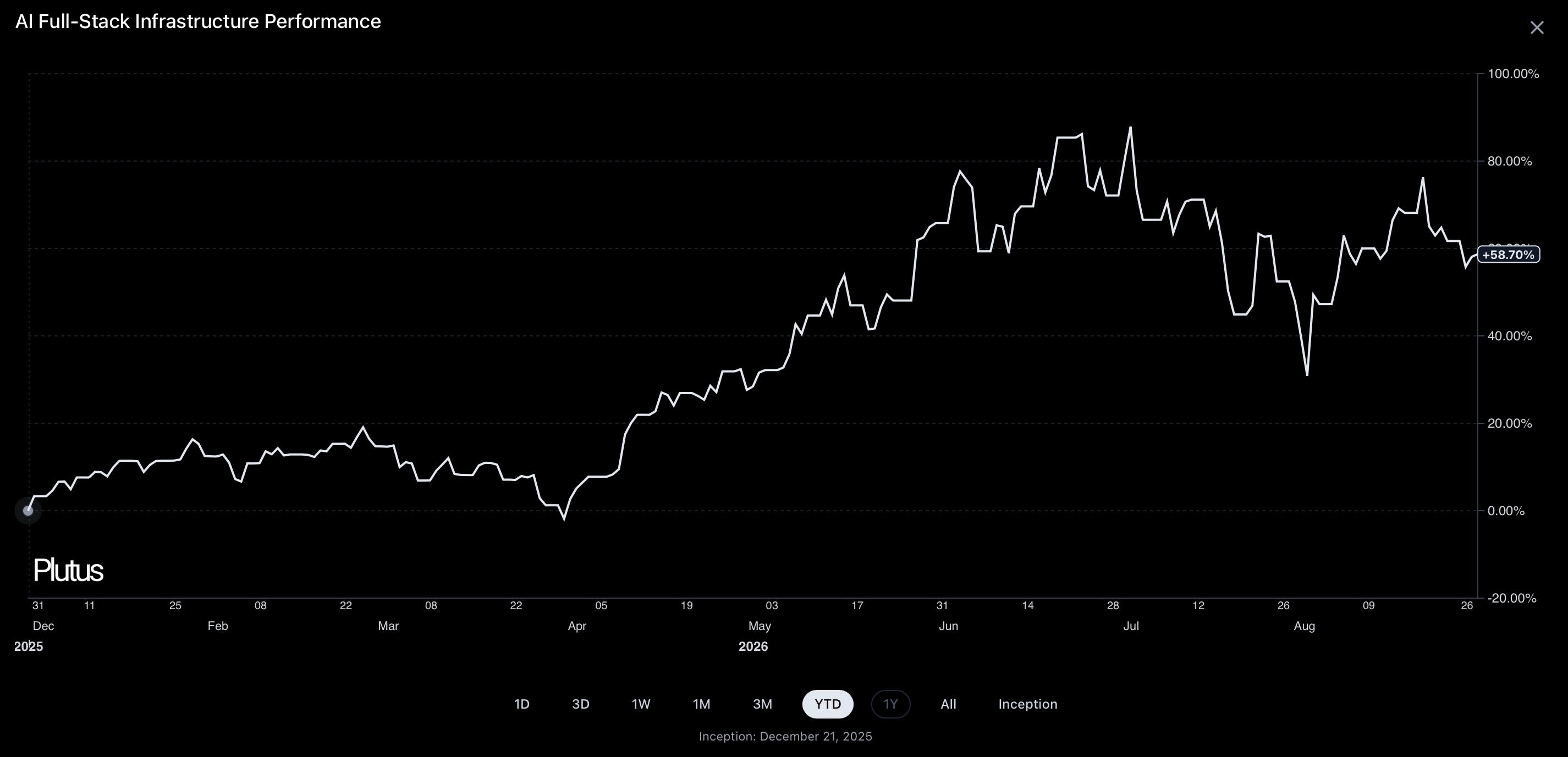
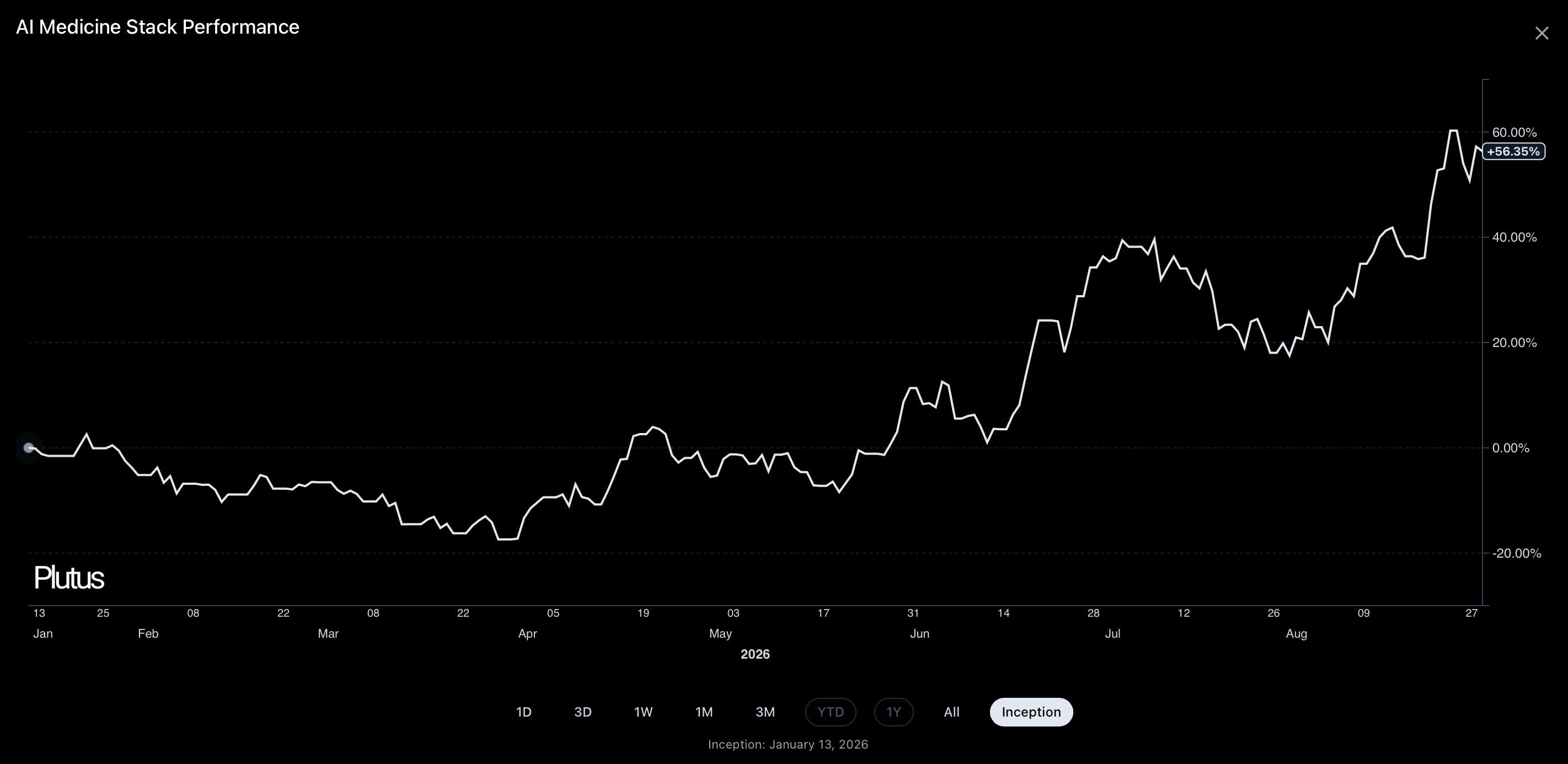
5. Mission Critical Security Stack
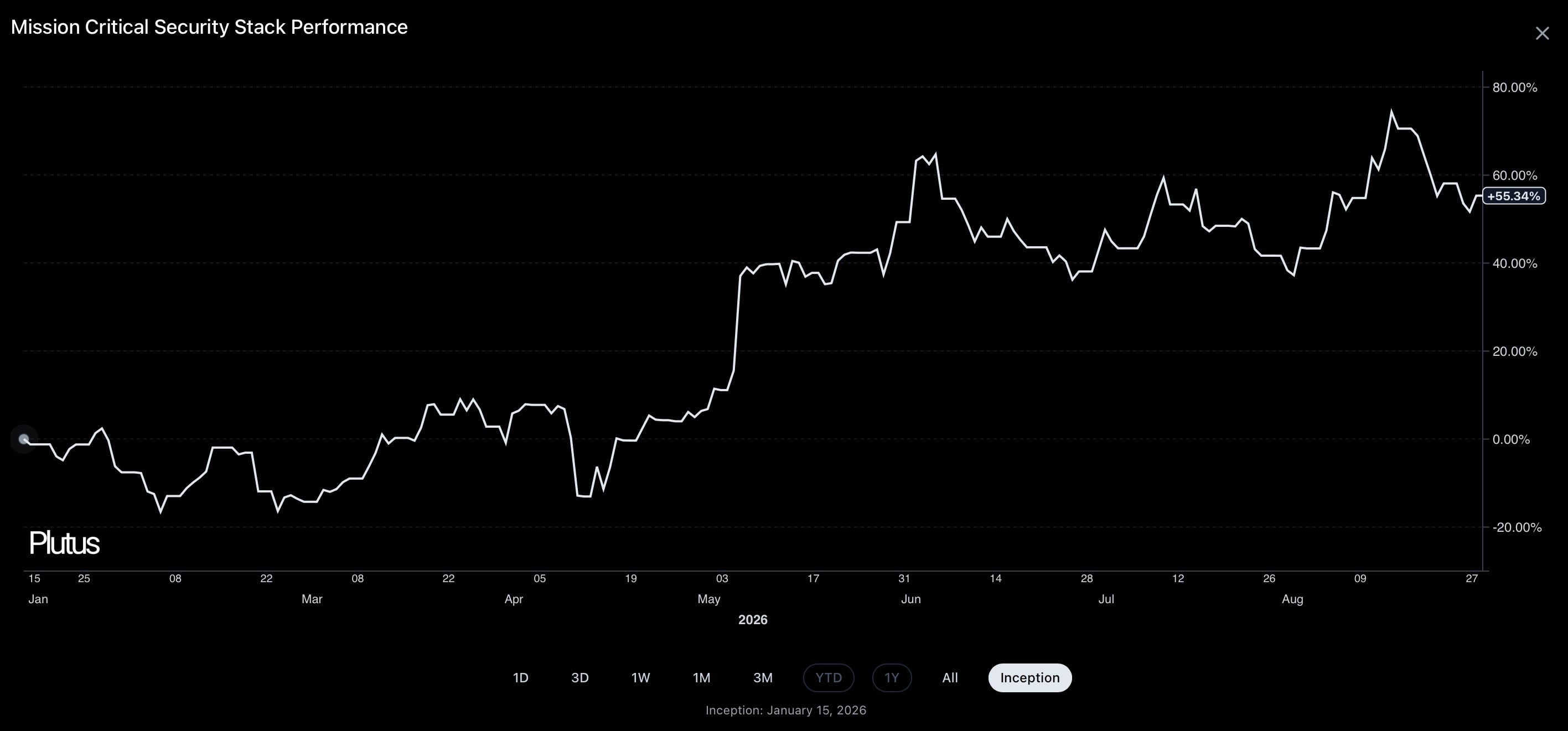
Whereas on the flip side, the worst performing baskets year-to-date have been:
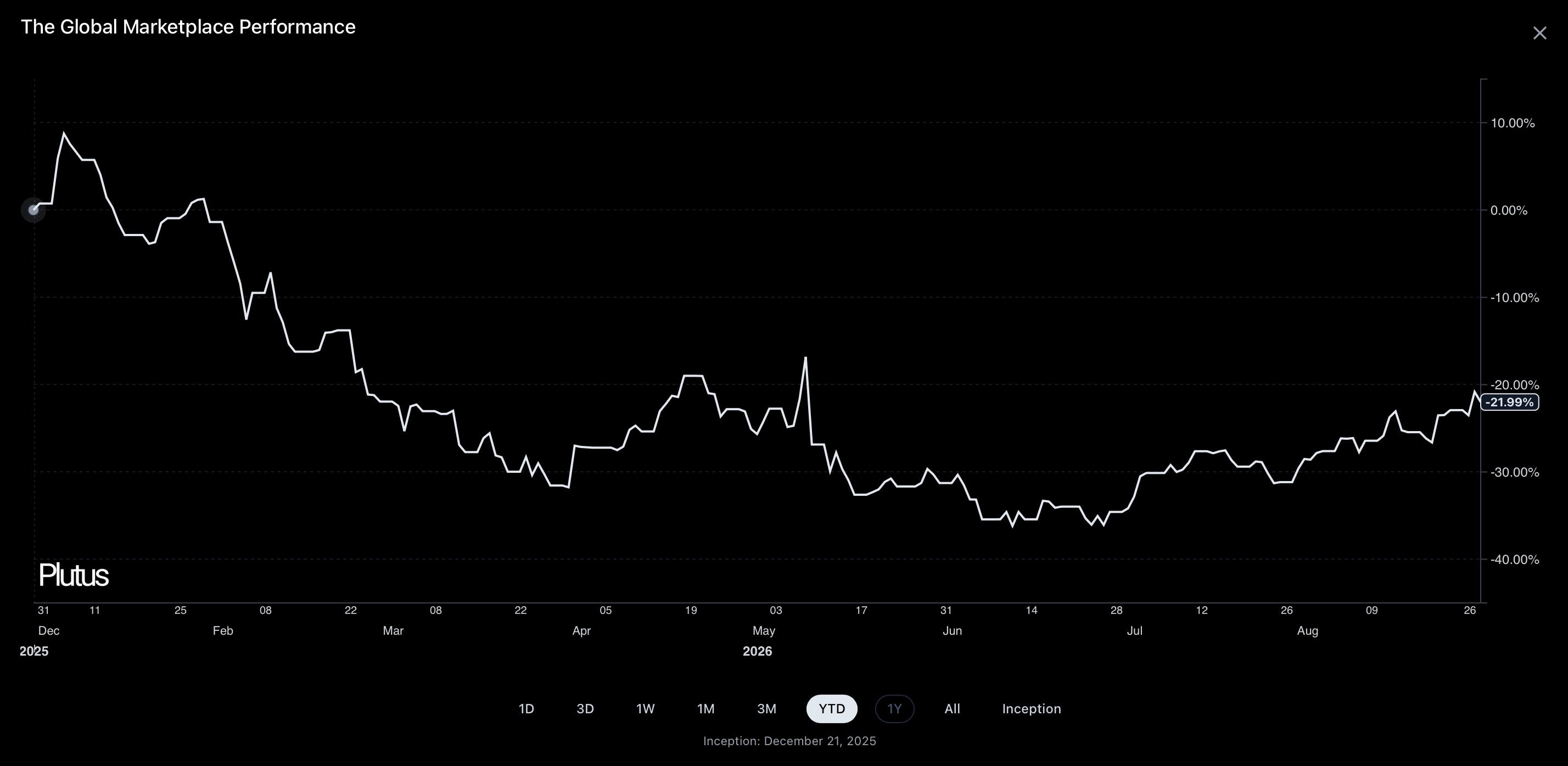
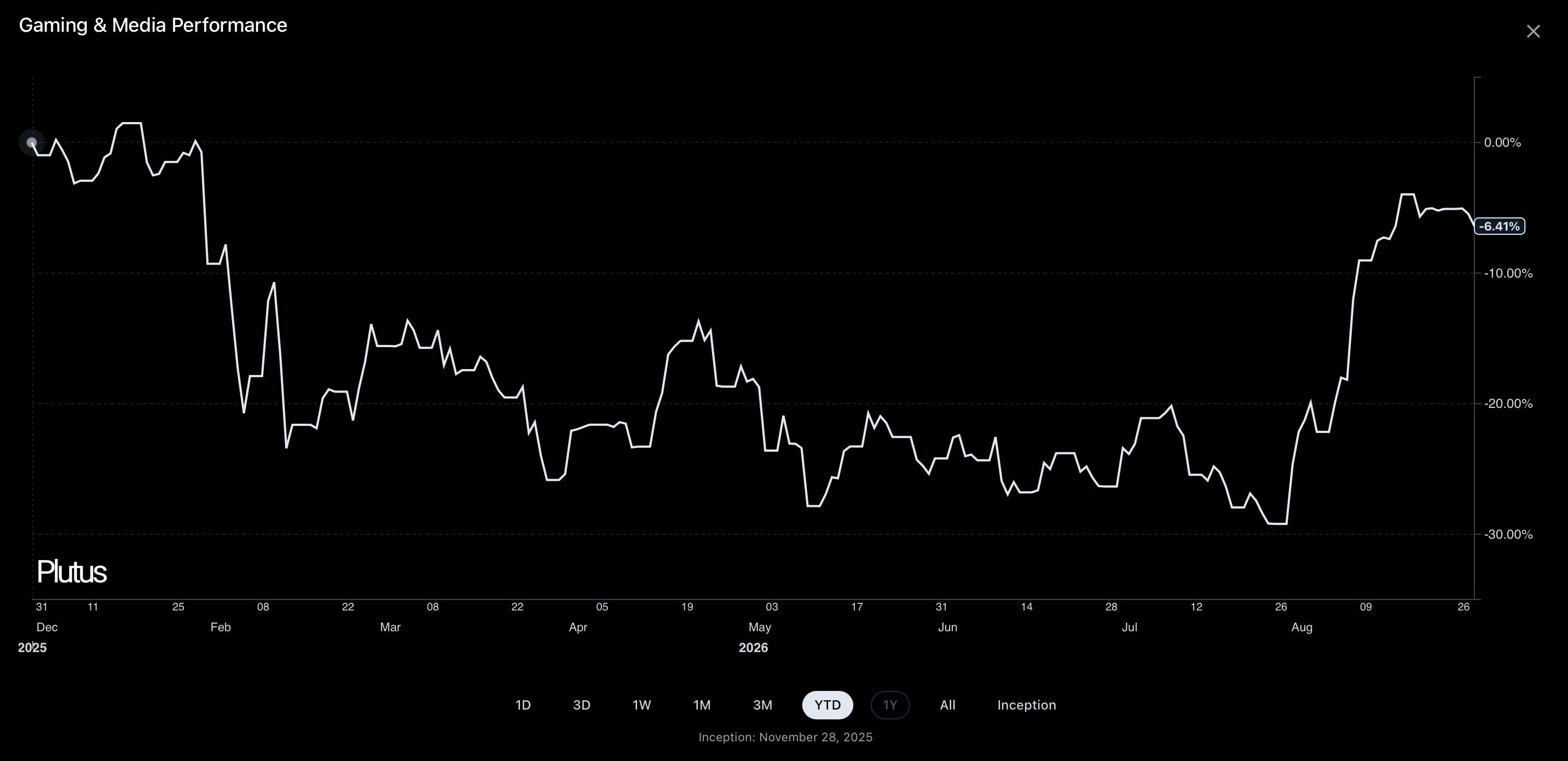
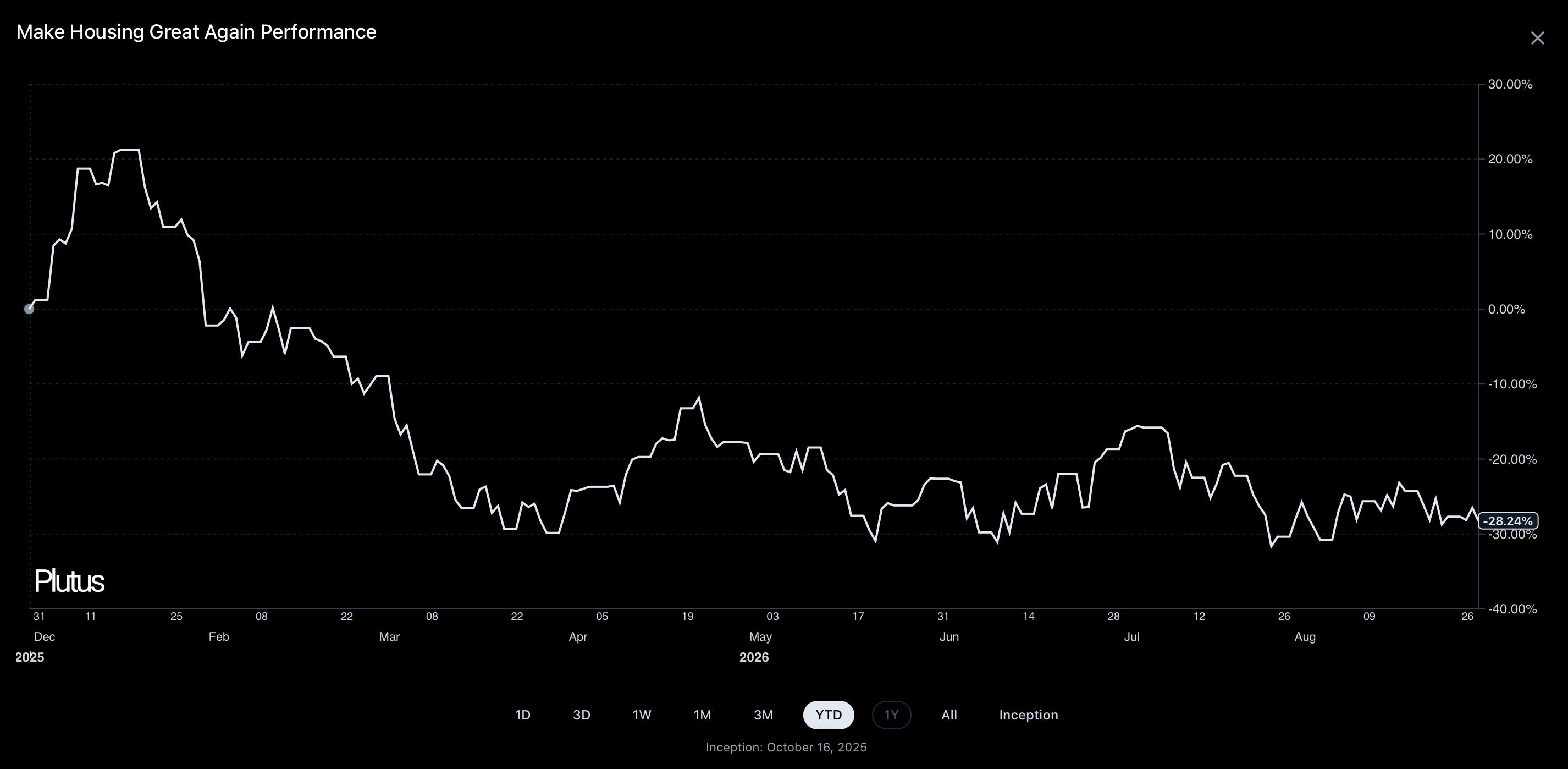
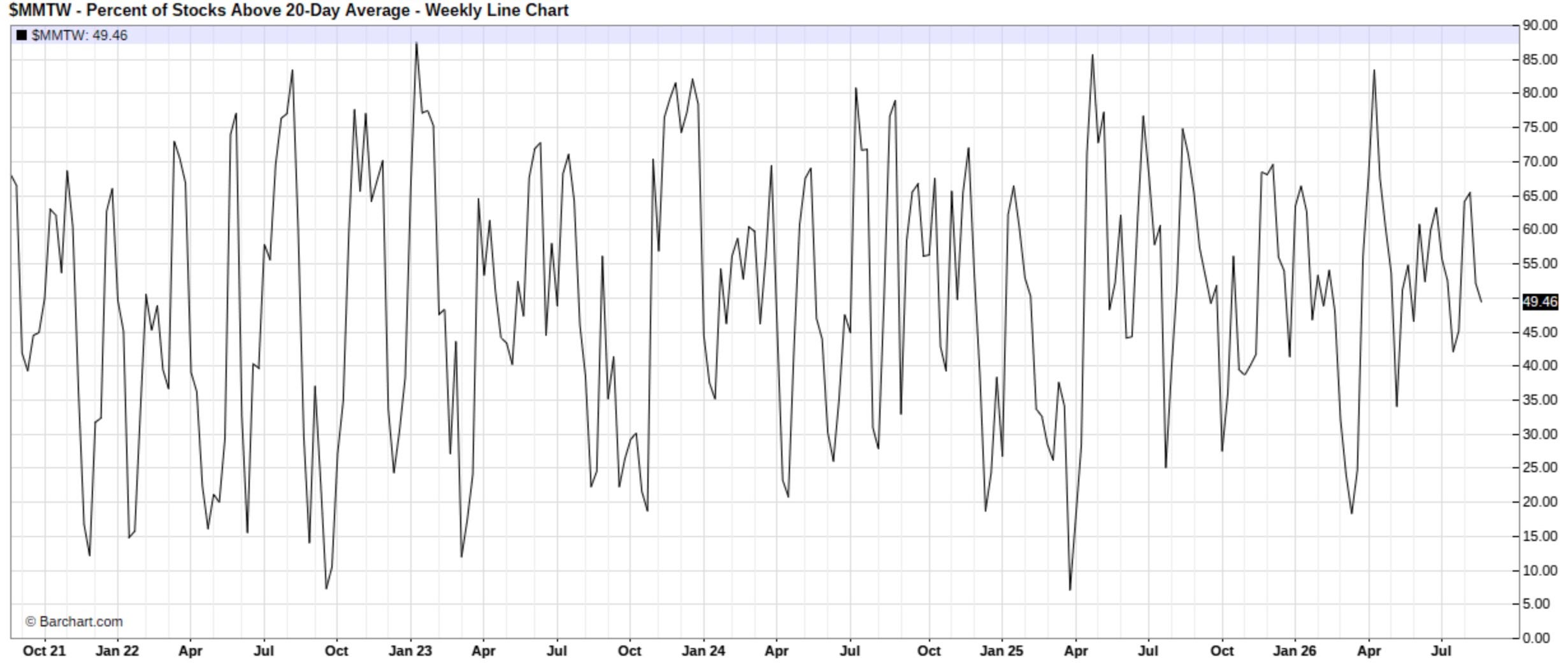
Moving along, with the indices undergoing this recent digestion period, we’ve seen some of the more recent shorter-term overbought conditions unwind, as the % of stocks above the 20D has fallen back toward 49%, which is a more neutral reading rather than either overbought or oversold.
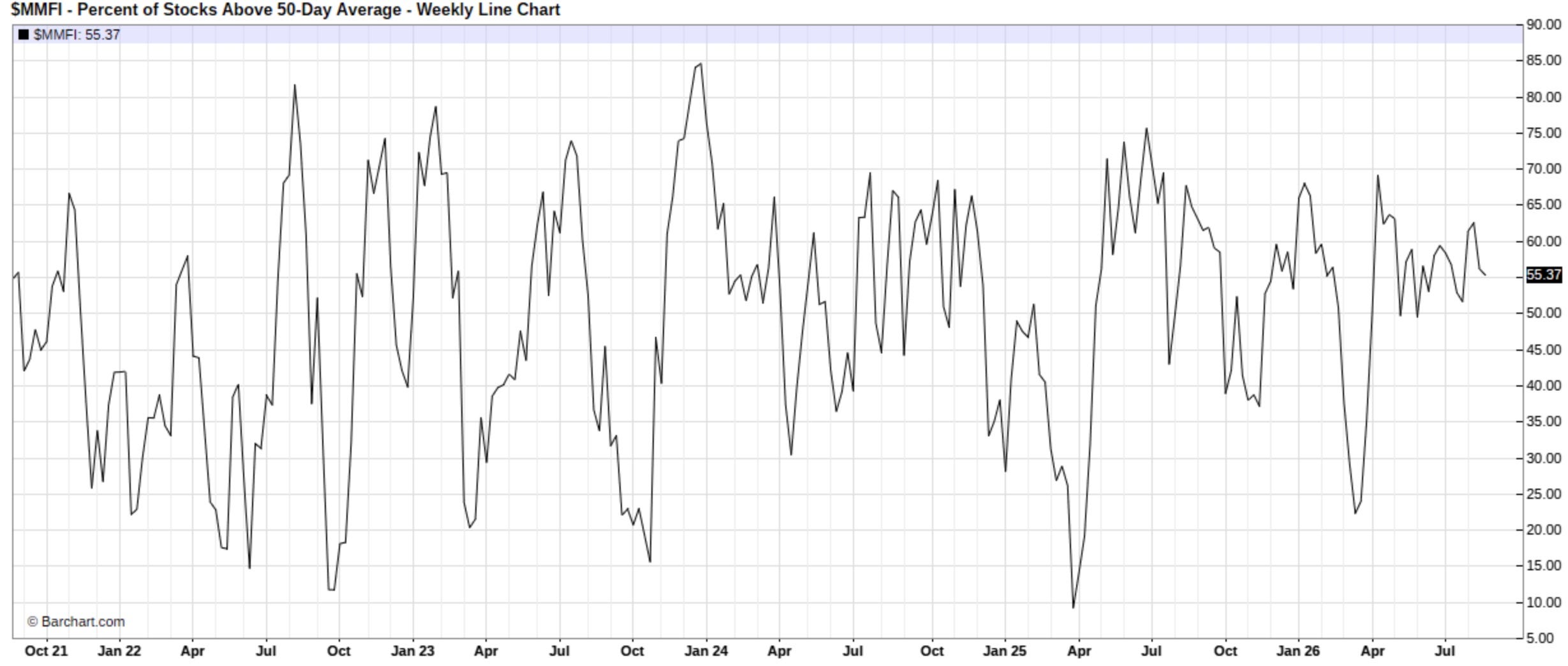
And similar can be said on a broader timeframe too as in the medium-term, the % of stocks above the 50D has fallen back toward 55%, which is essentially just giving off a ‘neutral’ reading rather than signaling overbought & oversold conditions.
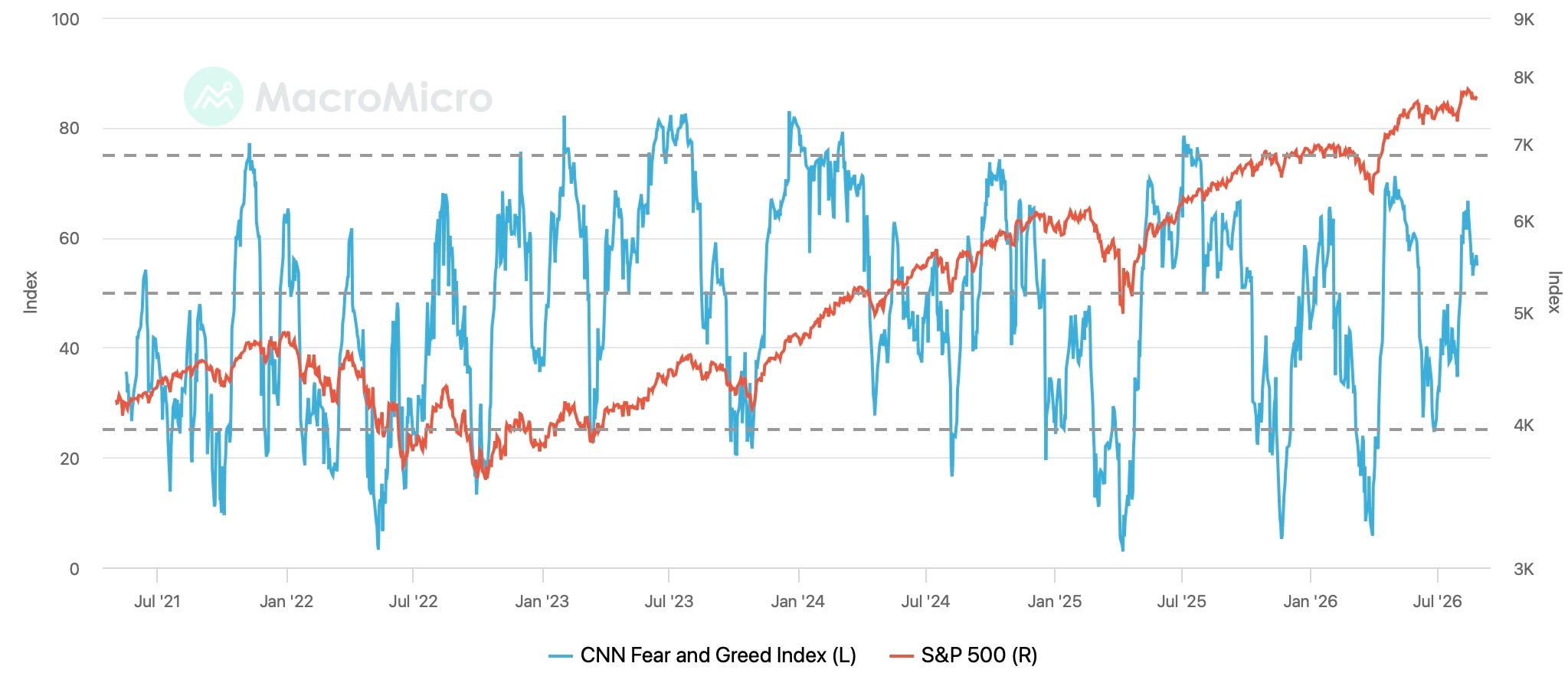
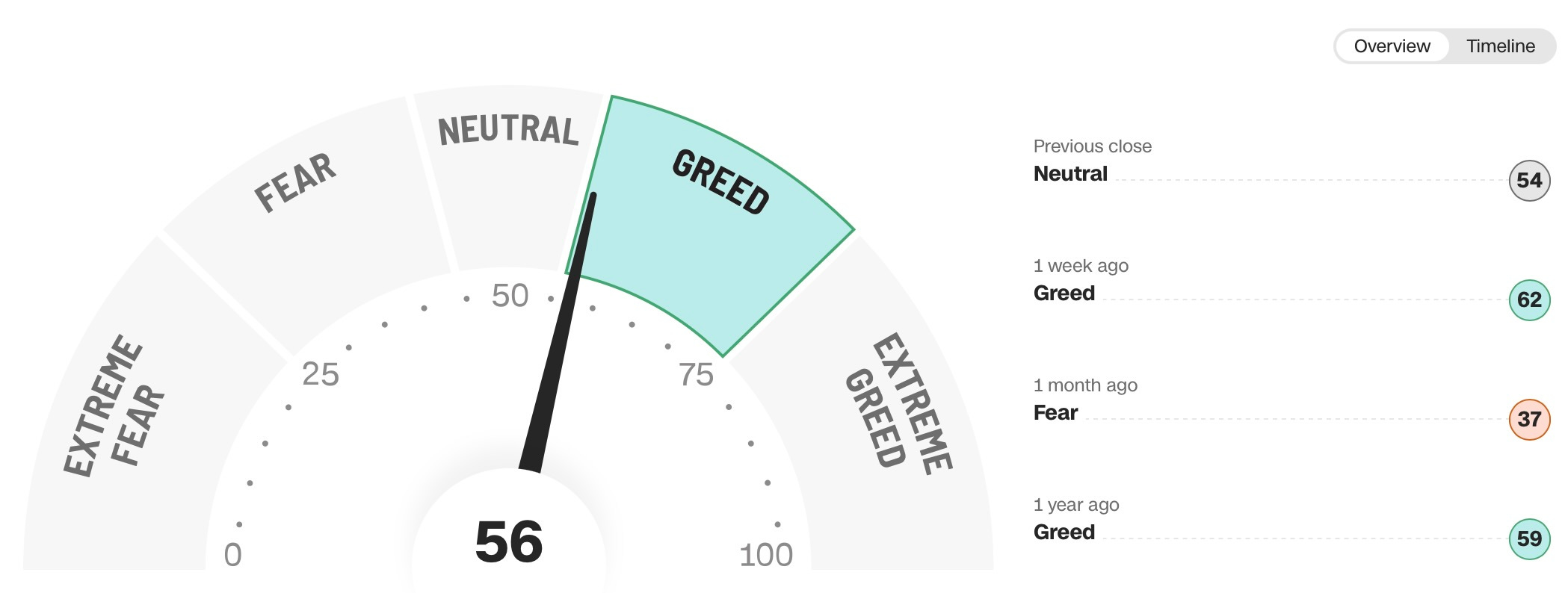
And on top of the above, after having initially almost worked its way into ‘extreme greed’ territory, the Fear-Greed Index has since nearly fallen back into ‘neutral,’ as it sits just barely within ‘greed’ territory, which again, is another reading suggesting this digestion period has generally helped to work off the recent shorter-term overbought conditions.
Historical context of the Fear-Greed Index overlaid with the S&P: